


1. Why first impressions matter
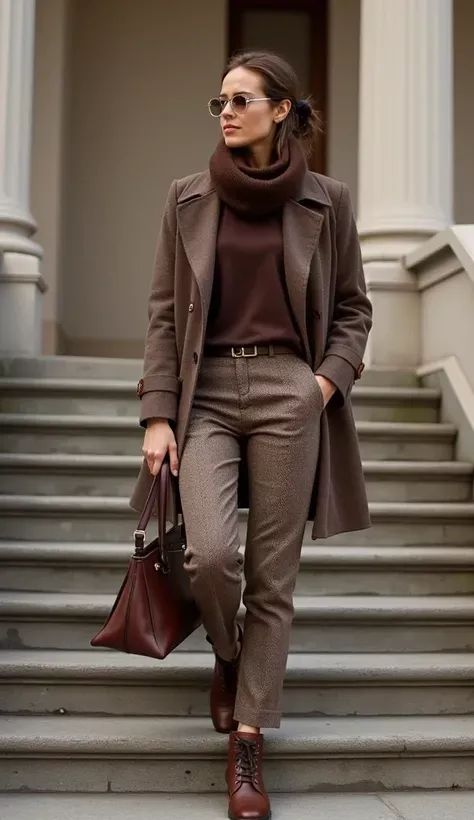
Your outfit speaks before you do. Employers form impressions within seconds, and your appearance can shape how they perceive your professionalism and confidence. Dressing well isn’t about pretending; it’s about presenting your best, most polished self. A clean, well-fitted look helps you feel composed and shows respect for the opportunity.
2. Industry-specific expectations
Corporate / Finance / Law: Stick to formal attire such as tailored suits, button-down shirts, polished shoes, and neutral colors like navy, black, or gray.
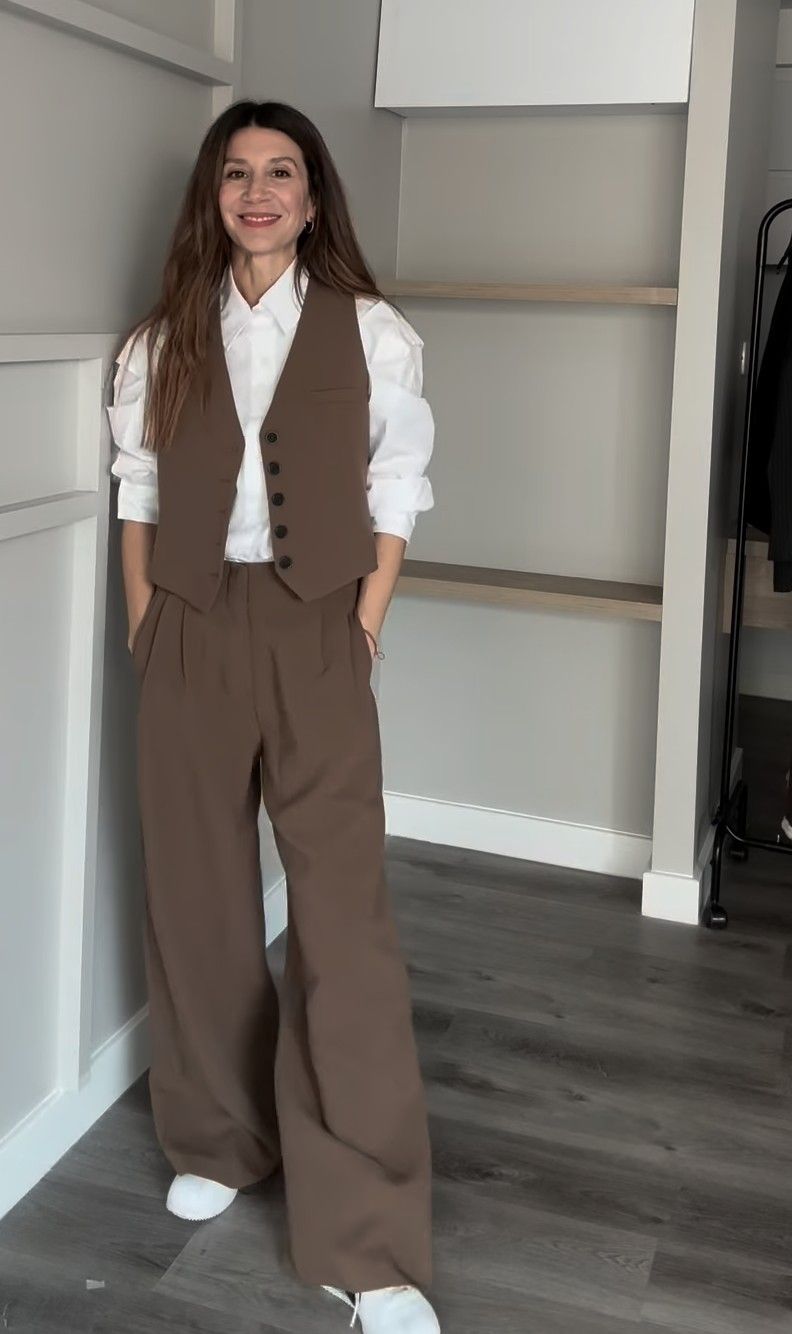
Creative / Media / Fashion: Professional with personality. Blazers, smart trousers, sleek dresses, or statement accessories work well.
Tech / Startups: Smart-casual. Dark jeans or trousers with a neat shirt or blouse. Keep it clean and minimal.
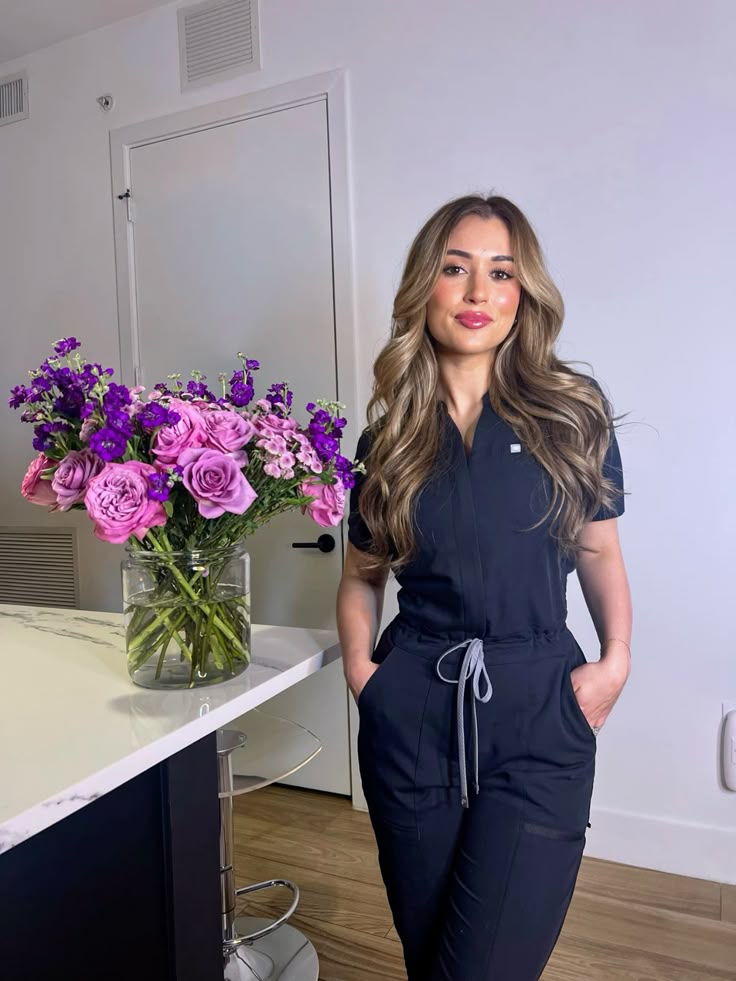
Healthcare / Education / Nonprofits: Professional but approachable. Soft colors, neat blouses, blazers, or knee-length dresses. Comfort matters.
When unsure, dress slightly more formal than the company’s everyday style.
3. Key outfit pieces
Suits & Blazers: Instantly elevate your look and signal confidence.
Shirts & Blouses: Crisp white or soft tones. Avoid sheer or tight fits.
Trousers & Skirts: Neutral, well-fitting, and comfortable.
Dresses: Simple, modest styles like sheath or wrap dresses.
Shoes: Closed-toe flats, loafers, or low heels that are clean and comfortable.
Bags & Outerwear: Choose a structured tote or briefcase and a classic coat if needed.
4. Color psychology
Navy: Confidence and calm.
Black: Strength and elegance (soften with lighter tones).
Gray: Professional neutrality.
White: Clean and polished.
Soft Neutrals: Warm and friendly.
Pops of color: Burgundy or deep green for subtle personality.
Avoid neon or busy prints unless the job is highly creative.
5. Accessories and grooming
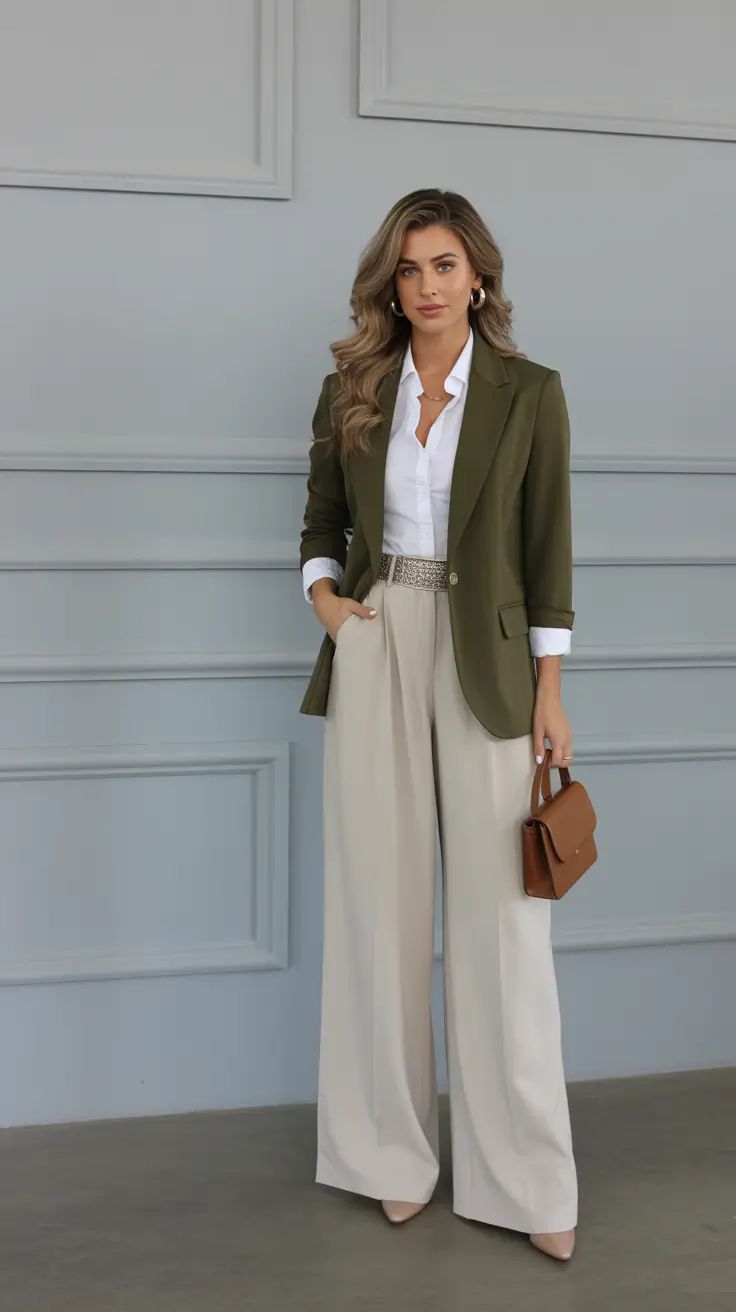
Minimal jewelry, tidy hair, natural makeup, and clean nails signal attention to detail. Keep fragrance light or skip it.
6. Mistakes to avoid
Wrinkled or ill-fitting clothes.
Overly casual outfits.
Distracting prints or loud accessories.
Uncomfortable shoes.
Ignoring company culture.
7. Confidence on interview day
Do a dress rehearsal, get feedback, and choose pieces that make you feel powerful. Prepare everything the night before, stand tall, breathe deeply, and focus on showing up as your best self.
Conclusion
The right outfit won’t land the job for you, but it will help you feel and look ready for it. Dressing intentionally shows confidence, respect, and awareness of professional culture. Whether it’s your first interview or your tenth, aim for balance: professional, comfortable, and true to who you are. When you feel good in what you wear, it shows, and that confidence can make all the difference.