


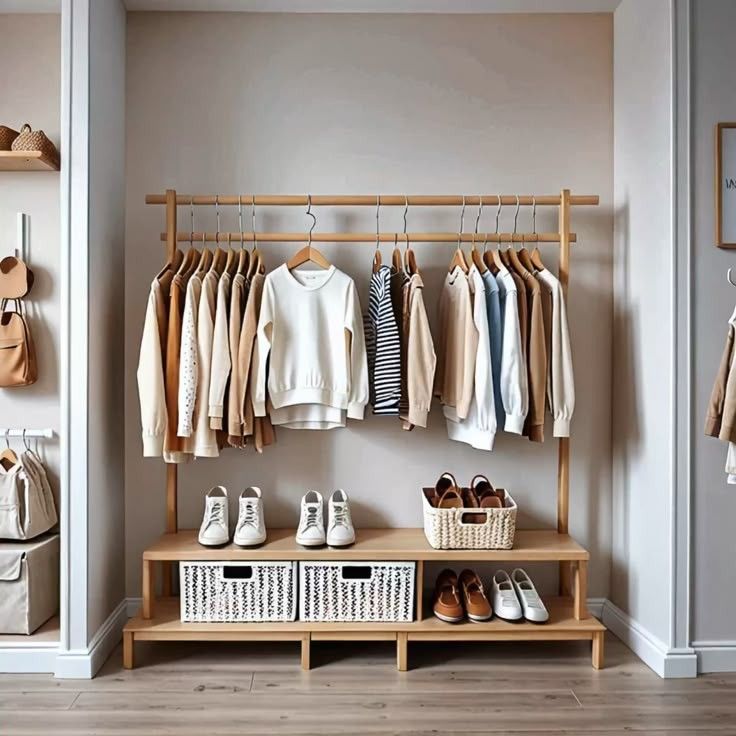
Sustainable fashion isn’t just a trend; it’s reshaping the industry. As awareness of climate change and ethical production grows, more people are choosing clothing that aligns with their values. Fall 2025 is the perfect time to update your wardrobe with stylish, planet-friendly pieces.
1. Why sustainable fashion matters
The fashion industry is one of the world’s biggest polluters. Sustainable fashion counters this by focusing on responsible production, eco-friendly materials, and fair wages. Choosing sustainable brands means supporting ethical practices and investing in quality items that last for years.
2. What makes a brand truly sustainable
Not all “green” brands are genuinely eco-conscious. Look for those that emphasize:
Eco-friendly materials: Organic cotton, Tencel, hemp, bamboo.
Ethical labor: Fair pay and safe working conditions.
Low-impact production: Reduced emissions, minimal water use, and non-toxic dyes.
Transparency: Clear information about sourcing and manufacturing.
Longevity: Timeless designs made to last.
3. Top 10 eco-friendly brands
Reformation: Uses sustainable fabrics and transparent processes; chic fall dresses and tailored outerwear.
Patagonia: Recycled materials and fair trade outerwear built for adventure.
Everlane: Radical transparency and durable wardrobe essentials.
Stella McCartney: Luxury fashion without animal products, using innovative eco-materials.
People Tree: Certified Fair Trade, organic cotton basics with timeless appeal.
Outerknown: Relaxed style with organic and recycled fabrics.
Tentree: Plants ten trees per purchase; ideal for cozy fall layering.
Veja: Ethical sneakers made from organic cotton and wild rubber.
Amour Vert: Locally made low-waste clothing in rich autumn tones.
MATE the Label: Organic, non-toxic loungewear perfect for cooler days.
4. How to spot greenwashing
Watch for vague “eco-friendly” claims without proof, lack of transparency, or small “sustainable” lines from large fast-fashion brands. Seek real certifications like Fair Trade, GOTS, or OEKO-TEX, and favor brands producing thoughtfully, not excessively.
5. Building a sustainable wardrobe
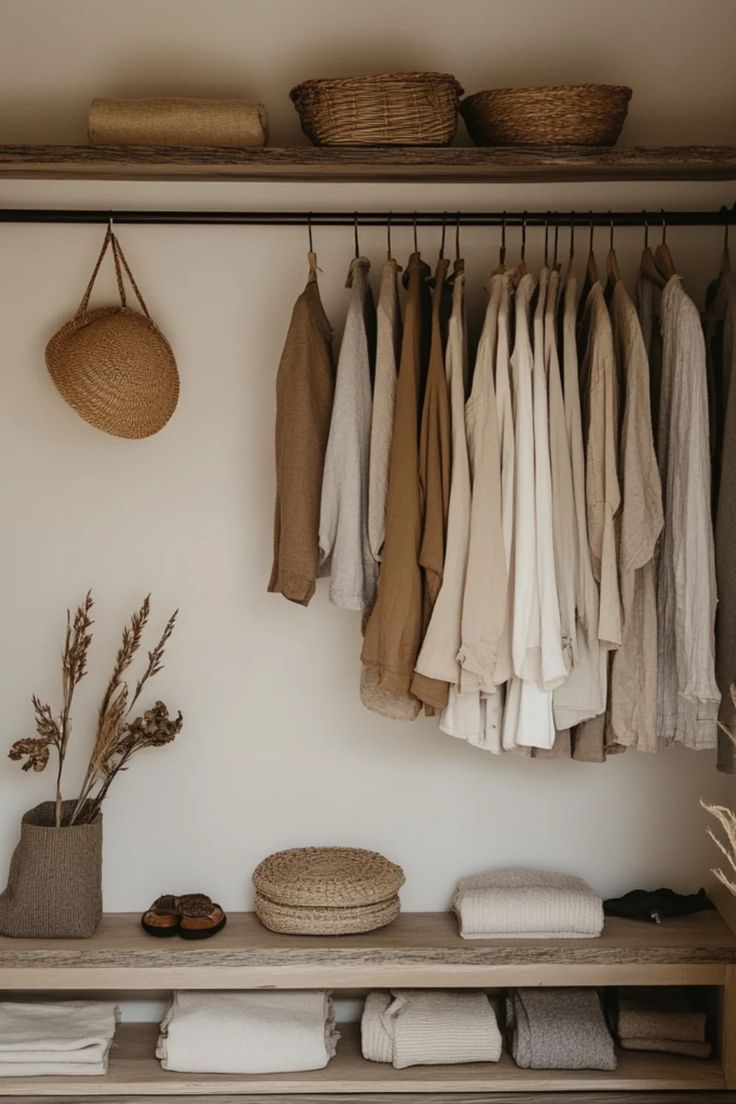
Start small: re-wear, repair, and buy quality pieces over quantity. Thrift or choose versatile items in neutral tones. Proper care, such as washing less and air drying, extends a garment’s life and reduces waste.
6. Cost versus value
Sustainable pieces may cost more upfront but last longer, reduce replacements, and support ethical practices. You buy less, waste less, and feel better about your choices.
Conclusion
Sustainable fashion is more than a style; it’s a statement of responsibility. This fall, choose brands that align with your values, care for what you own, and buy consciously. Small choices lead to lasting impact, proving that great style and sustainability can coexist beautifully.