



Understanding how to dress appropriately for work can make a lasting impression and boost professional confidence. In today’s evolving workplaces, style is about striking the right balance between professionalism and personality. Whether you work in a corporate office or a creative space, mastering office dress codes helps you look confident, comfortable, and career-ready.
1. Understanding Different Dress Codes
Most offices follow one of four dress codes: formal, business casual, smart casual, or casual. Formal attire includes suits, ties, and tailored dresses, ideal for industries like law or finance. Business casual allows a bit more freedom, such as blouses, chinos, or blazers without ties. Smart casual offers polished comfort such as neat jeans, button-ups, or midi skirts. A casual dress code is the most relaxed, but neatness and coordination still matter. Knowing your company’s expectations ensures you always present yourself appropriately.
2. How to Interpret Casual Friday
Casual Friday gives employees a break from traditional office wear, but it still requires professionalism. Avoid overly relaxed pieces like ripped jeans, graphic tees, or flip-flops. Instead, choose dark denim, structured tops, or comfortable dresses paired with loafers or low heels. The goal is to show your laid-back side without compromising credibility.
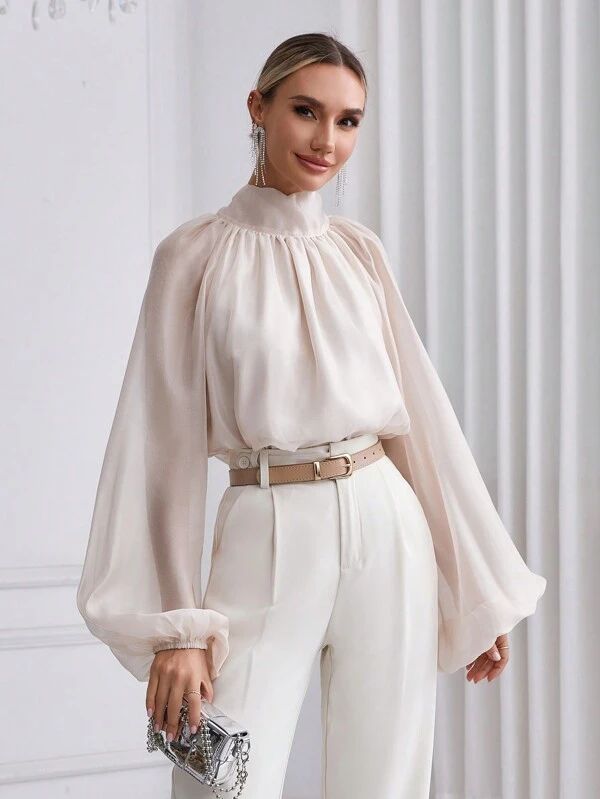
3. Building a Work-Appropriate Wardrobe
Start with versatile basics that can be mixed and matched easily. Neutral colors such as navy, gray, black, and beige form the foundation of a professional wardrobe. Add tailored blazers, well-fitted pants, button-down shirts, and simple dresses that can transition between meetings and after-work events. Quality fabrics and a good fit make even simple outfits appear polished.
4. Styling for Different Office Environments
Office fashion depends on the company culture. In corporate settings, classic and conservative pieces work best, while creative industries encourage more personal expression with colors or textures. Tech workplaces often embrace smart casual looks that combine professionalism with comfort. Observe what your colleagues wear and adapt while keeping your personal style intact.

5. Common Work Fashion Mistakes
One common mistake is ignoring fit. Clothes that are too tight or too loose can look unprofessional. Avoid overly flashy accessories or strong fragrances that can distract others. Make sure your clothes are clean, pressed, and appropriate for your daily tasks. A little effort in presentation goes a long way in creating a confident image.

Conclusion
Navigating office dress codes does not have to be stressful. It is about understanding your environment and finding the balance between professionalism and self-expression. When you dress with intention and awareness, you project confidence and respect for your workplace. Over time, your wardrobe becomes a tool for success, helping you look and feel ready for any career opportunity that comes your way.