


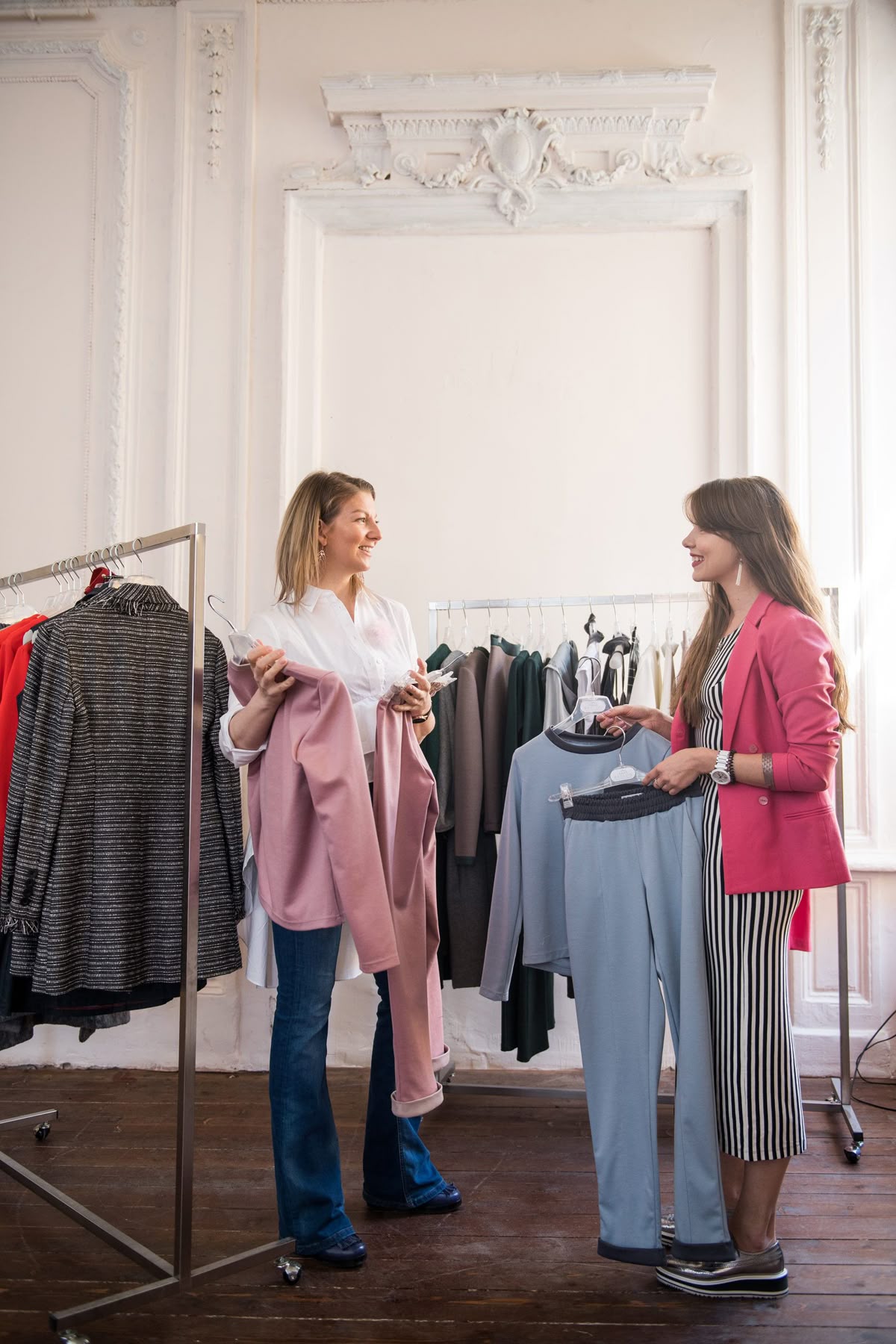
Giving feedback on professional style can be delicate but it plays an important role in helping colleagues build confidence and align their appearance with workplace expectations. When approached thoughtfully, constructive fashion feedback supports growth, strengthens communication, and promotes a culture of professionalism and respect.
1. The Importance of Professional Style Feedback
Professional style feedback helps individuals understand how their wardrobe choices influence perception in the workplace. The goal is not to criticize but to guide others toward dressing in a way that reflects confidence and professionalism. Thoughtful feedback can make a real difference for someone new to a corporate environment or transitioning between industries with different standards. When done respectfully, it fosters self-assurance and helps maintain a polished team image.

2. How to Give Constructive Work Fashion Advice
Constructive advice should be specific, kind, and focused on professionalism rather than personal taste. Instead of saying “That outfit doesn’t look right” you might suggest “A blazer could make this outfit look more polished for the meeting.” Positive phrasing keeps the tone supportive. Offer feedback privately to avoid embarrassment and always highlight what the person is doing well before suggesting changes. This balance encourages improvement without discouragement.
3. Handling Sensitive Style Topics
Conversations about appearance can feel personal so sensitivity is key. Focus on the professional context rather than individual traits. Avoid comments about body type or attractiveness and instead relate your advice to company culture or client expectations. For example saying “Our clients usually prefer a more formal look for meetings” keeps the discussion professional and objective. Listening and empathy also matter because understanding someone’s perspective builds trust.
4. Encouraging Supportive Fashion Culture
Creating an environment where colleagues can share fashion advice comfortably helps everyone feel included and confident. Teams can host short sessions or casual discussions about workplace attire expectations. Mentorship programs also allow senior employees to guide newer team members in dressing for success. When feedback becomes collaborative it strengthens workplace relationships and boosts morale.

5. Common Mistakes to Avoid
Avoid making unsolicited or overly personal remarks about appearance. Comparing one person’s style to another’s can create discomfort while harsh or vague criticism can damage confidence. Focus on specific actionable feedback and keep the goal centered on professionalism not perfection.
Conclusion
Professional style feedback should always empower not embarrass. When delivered thoughtfully it helps colleagues grow enhances team presentation and builds a respectful workplace culture. Encouraging open supportive conversations about style allows professionals to feel confident and authentic while maintaining the standards that reflect their organization’s values.